


Being Told Your Pet Needs
Surgery Is Scary
We see that fear every day from pet owners—but we also see routine, successful surgeries every day. Our job is to take every precaution before, during, and after anesthesia, and to keep you in the loop at each step, including a phone call once they’re awake after surgery, so you're never left wondering what's happening to your pet.
A lot of pet owners also assume surgery means a referral to a specialty hospital. Much of what your pet might need can happen right here, with the team that already knows them.




How We Keep Your Pet
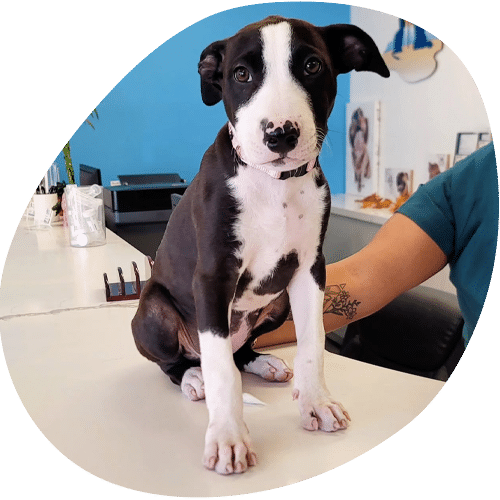
Safe Under Anesthesia
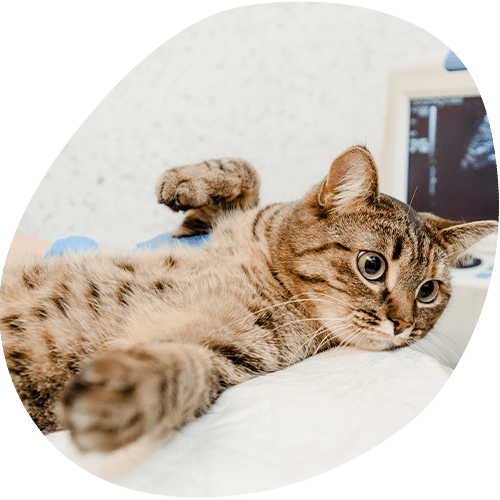
During the procedure, a technician's only job is to stay with your pet and watch the monitors: heart rate and rhythm on the ECG, blood pressure, oxygen levels, and the carbon dioxide they breathe out.
We tailor the anesthetic plan to your specific pet, too. A flat-faced breed like a Frenchie, a dog with a heart murmur, or a cat with early kidney disease each needs a different approach. If a heart concern needs a closer look first, we'll take chest X-rays or refer you to a cardiologist before we ever schedule the procedure.
Most importantly, nothing happens to your pet without a conversation with you first. You'll know the plan, you'll approve the estimate, and if anything changes during the procedure, we call you. You're never in the dark about your own pet.






The Advantage of Having Surgery at Your Regular Vet
Say your dog swallows a sock, and a day later they're vomiting and miserable. You bring them in, and it turns out the sock is stuck and has to come out. We can take that on right here at Huntington Beach Pet Hospital, instead of sending you across town to start over with people who've never met your dog. The same is true for a pyometra, a life-threatening uterine infection in an unspayed female dog where every hour counts. That's a surgery we have a great deal of experience with, and we can do it here, fast, when waiting is the dangerous part.

- Bladder stone removal: When stones form in the bladder and won’t pass on their own, we remove them surgically so your pet can urinate comfortably again.
- Gastropexy: A preventive surgery that tacks the stomach in place to guard against bloat (GDV), the sudden, life-threatening twisting of the stomach that deep-chested breeds are prone to. It can be done on its own or at the same time as a spay or neuter.
- Soft tissue surgeries: Eyelid surgeries, hernia repairs, abscesses, anal gland removal, and other soft tissue procedures. If your pet needs something not listed here, call us and we’ll tell you whether it’s something we handle.
Surgeries We Perform at
Huntington Beach Pet Hospital
- Mass and lump removals: When you find a new lump on your pet, the questions are whether it needs to come off and what it is. Dr. Lewis removes the mass and sends it out for biopsy so you have a real answer, not a guess. For many of these, we use a local block to numb the area on top of general anesthesia.
- Foreign body removal: When a pet swallows something they can’t pass, it can become an emergency quickly. We can locate it and remove it surgically.
- Pyometra surgery: A life-threatening infection of the uterus in unspayed female dogs and cats. It needs surgery quickly, and it’s one we handle often.
Orthopedic Surgery With a
Board-Certified Surgeon
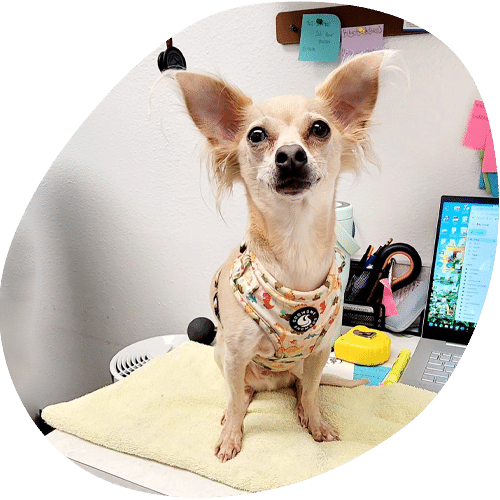
Dr. Smith is a Diplomate of the American College of Veterinary Surgeons who specializes in complex orthopedic and soft tissue surgery, and he operates at a specialty surgical hospital as well as here with us. Your dog gets a specialist's hands, and you never have to leave the practice that knows them.
We handle everything around the surgery: the workup beforehand, the anesthesia and monitoring, the recovery, the medications, and the recheck X-rays. If a question or a complication comes up afterward, you're calling us, the people who were there, not a referral center your dog visited once.
A torn cruciate repair like a TPLO typically runs $5,300 to $5,700 at Huntington Beach Pet Hospital, which includes extended pain relief, take-home medications, and the recheck exam and X-rays at eight weeks. Recovery is a structured eight-week return to activity, and we send you home with a comprehensive plan.


What Surgery Costs
What a surgery costs depends on the procedure and what your pet needs. An orthopedic surgery like a TPLO runs higher, around $5,300 to $5,700, while a routine mass removal is far less. You can see our pricing online, and we're always glad to walk through an estimate with you before you decide anything.
We never want cost to be the reason a pet goes without care. If you'd like to spread payments out, we offer financing through Cherry.
After Surgery: What to Expect
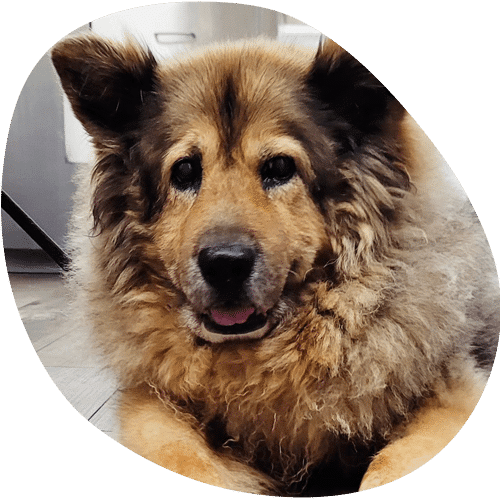
Before you leave, a technician walks you through a written discharge sheet. It covers what medications are going home, what each one is, when to start it, and the specific warning signs that mean you should call. Your pet is checked every few hours after surgery and goes home with pain medication, because comfort is part of healing, not an afterthought.
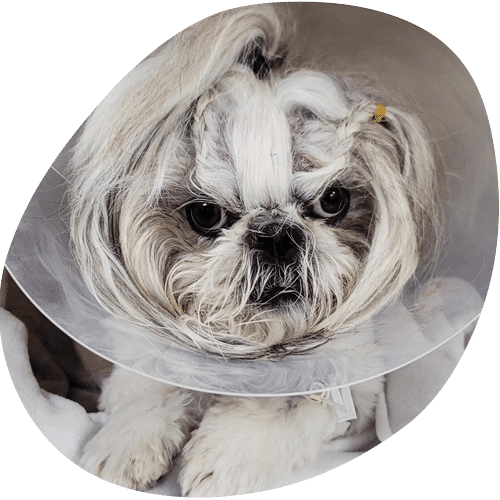
For most routine surgeries, your pet needs about two weeks of real rest, no running or jumping, while the incision heals. Orthopedic recovery is longer and more structured, usually eight weeks. And (even though we know it’s hard!) the cone must stay on: it takes only a moment for a pet to lick or chew an incision open, sometimes undoing the whole repair.
Frequently Asked Questions
About Dr. Lewis and an
Independently Owned Practice
Because he owns the practice, no corporate office tells him which procedures to recommend, how much time to spend, or where to cut. The monitoring, the communication, and the care your pet gets are decisions he makes as the veterinarian and the owner. When your pet is under our care, the plan is the one Dr. Lewis would choose for his own.