


When your dog or cat is sick, painful, or simply not acting like themselves, many medical conditions cannot be diagnosed based on symptoms alone. Diagnostic testing helps us gather more information so we can determine what is wrong and decide on the best treatment plan.
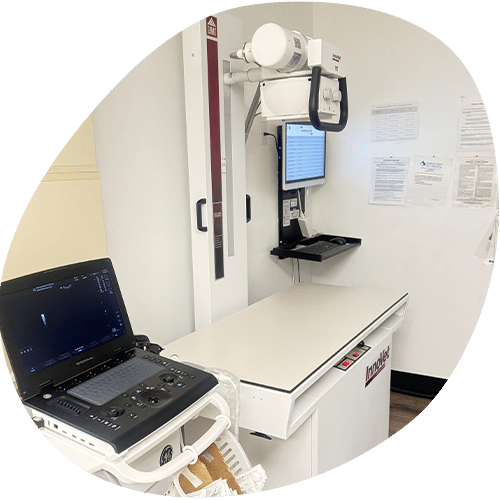
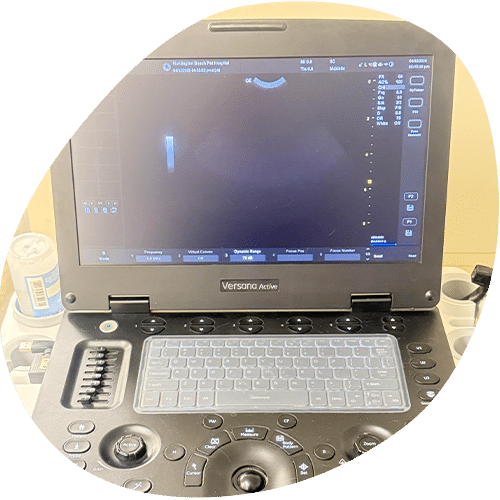
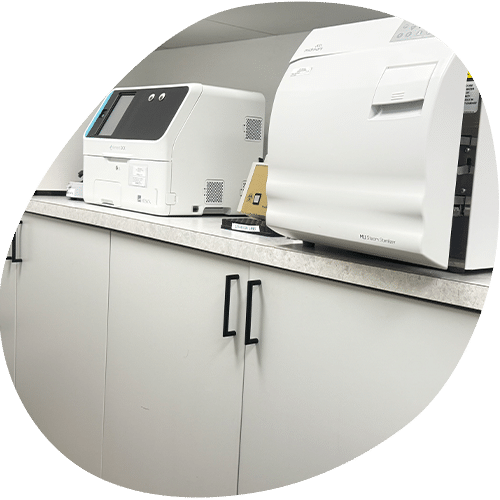
Our hospital is equipped with a wide range of in-house diagnostic tools so we can evaluate many medical concerns without unnecessary delay. This includes in-house laboratory testing, pet bloodwork, digital X-rays, veterinary ultrasound, and several specialized tools used for specific medical conditions.






Our Personalized Approach to Veterinary Diagnostic Testing
Dr. Lewis and his associates take a thoughtful, methodical approach when recommending diagnostic testing for your pet companion. Rather than simply following a standard protocol often seen in larger corporate practices, Dr. Lewis uses both his physical examination findings and the history you provide to determine which tests make the most sense to start with.
For example, if a patient comes in for vomiting, every case is approached individually. A 2-year-old Labrador with a history of chewing on toys may be more likely to start with abdominal X-rays before recommending bloodwork, urine, or fecal testing. However, if the patient is a 10-year-old Schnauzer with a history of pancreatitis, Dr. Lewis may recommend a very different diagnostic approach and may not initially suggest X-rays at all.
Many times, additional tests are recommended for pets simply because a blood or urine value falls slightly outside of the normal reference range. Our veterinarians carefully interpret every test result in the context of the whole patient.
For example, if a urine sample shows a very small amount of protein, we do not automatically recommend hundreds of dollars of additional testing. Likewise, if a liver enzyme is only mildly elevated, we do not immediately suggest further diagnostics without considering the bigger picture.
We take into account your pet’s age, medical history, diet, symptoms, and overall clinical presentation to determine whether additional testing is truly necessary or whether certain values can simply be monitored and rechecked over time.
In addition to creating a personalized diagnostic plan for each patient, the team at Huntington Beach Pet Hospital understands that financial considerations can play a role in medical decision-making. Whenever possible, we try to offer testing options and help prioritize diagnostics so families can make informed decisions that fit both their pet’s needs and their budget.
We also offer discounted pricing on many diagnostic testing packages when multiple tests are recommended together. Our goal is to help make more comprehensive testing affordable for families whenever possible, and these discounts never require monthly memberships or subscription plans.
In-House Laboratory Testing and Bloodwork for Pets
Laboratory testing is one of the most important tools we use when evaluating pets that are vomiting, lethargic, drinking excessively, not eating well, or simply not feeling like themselves. Bloodwork often helps us detect underlying problems before they become more serious.



Digital X-Rays and Diagnostic Imaging in Huntington Beach
Pet X-rays are frequently recommended for dogs and cats that are limping, coughing, vomiting, showing signs of pain, or may have eaten something they should not have. They help us identify fractures, arthritis, intestinal blockages, heart enlargement, lung disease, and many other conditions.





Pet ultrasound can help us identify fluid accumulation, masses, pregnancy, and other abnormalities that may not be fully visible on X-rays. Ultrasound is often recommended when we need more information after bloodwork or radiographs have been performed.

Additional Diagnostic Testing We Use
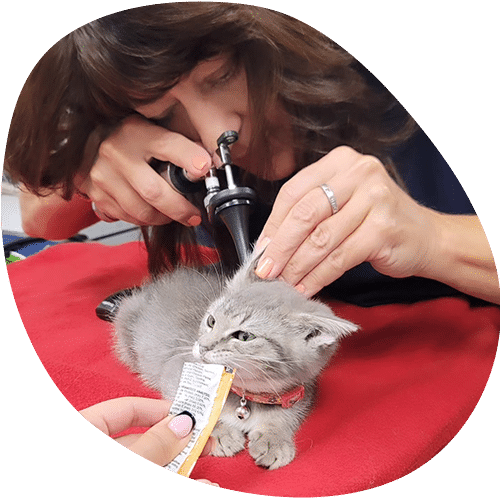
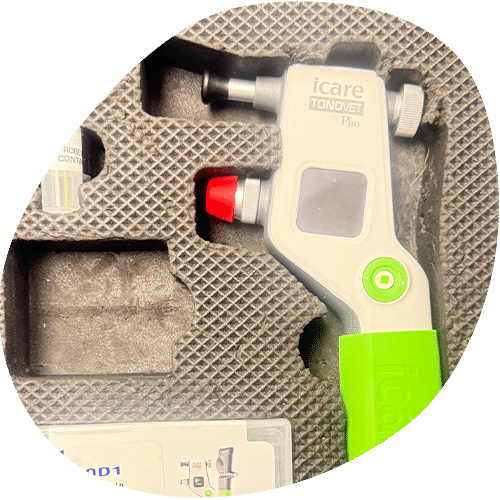
Eye testing such as tear production measurement, corneal staining, and eye pressure evaluation helps us diagnose painful or vision-threatening eye conditions. Doppler blood pressure monitoring helps us assess pets with heart disease, kidney disease, and other systemic illnesses. Microscopic evaluation of skin, ears, and masses allows us to identify bacteria, yeast, inflammation, and abnormal cells so treatment can be chosen appropriately.
When We Recommend Diagnostic Testing for Your Pet
Some pets may only need simple bloodwork, while others may require X-rays, ultrasound, or a combination of tests to provide a clearer picture of what is going on. Our goal is always to recommend the right diagnostics for your pet’s specific situation—not unnecessary testing.
One of the biggest advantages of our in-house veterinary diagnostics is speed. Being able to perform testing, review results quickly, and begin treatment right away can make a meaningful difference when your pet is uncomfortable or seriously ill.


Veterinary Diagnostic Services for Huntington Beach, Fountain Valley, and Costa Mesa
We proudly provide veterinary diagnostics for dogs and cats throughout Huntington Beach and surrounding communities including Fountain Valley and Costa Mesa.
If your pet is not feeling well, our team is here to help. Please call (714) 962-3639 to schedule an appointment.