


A wellness visit is also your time to ask questions. If you've wondered about your pet's food, a supplement, a change in their behavior, or something you read online, this is a great time to bring it up: these routine visits are the perfect time to build a relationship with our team. If your pet ever has an emergency, Dr. Lewis will already know your pet’s baseline and what normal looks like.
Why a Wellness Exam Matters,
Even When Your Pet Seems Fine
It's easy to look at a healthy, happy pet and wonder whether a checkup is worth the trip. But a pet can look completely fine when they're not, and your dog or cat can't tell you the difference. With a wellness exam and bloodwork, Dr. Lewis often spots the early signs of a health problem months before you'd notice anything at home.



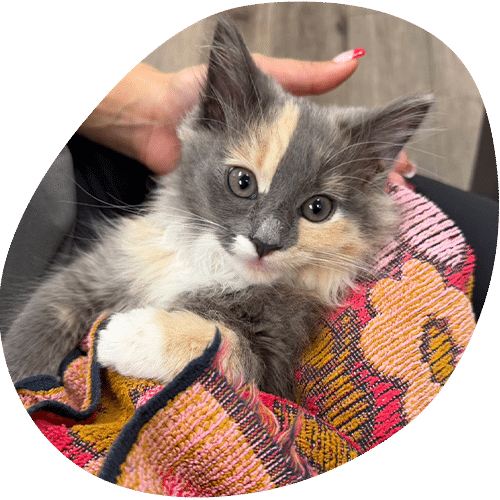

Wellness Exam
Across All Ages
A new puppy and a senior cat need very different things from a wellness visit. As your pet ages, Dr. Lewis adjusts the schedule, the vaccines, and what we focus on.

Puppies and kittens
Having a new puppy or kitten is one of the most fun times as a pet owner! The first few months are when you set them up for a long, healthy life. You’ll bring them in every three to four weeks, from around 6 to 8 weeks old until they’re about 16 weeks. At each visit, Dr. Lewis does a physical exam, gives the next round of vaccines on a schedule he’ll walk through with you, handles deworming, and makes time for your questions, from nutrition counseling, to house-training, to socialization. These visits are also important for discussing recommendations personal to your pet, like spay and neuter timing or any breed-specific health conditions. By the end of the series, your pet has a full early vaccine record, a healthy baseline, and a good start on parasite prevention.

Adult dogs and cats
Once your pet is grown, you’ll come in less often—but these visits are no less important. For adult dogs and cats, Dr. Lewis recommends a wellness exam every six months, along with bloodwork to check what he can’t find through the physical exam alone. Twice a year sounds like a lot, but pets age faster than we do, and a lot can change in twelve months. The best case scenario is that nothing dramatic comes out of these visits. When you show up for routine wellness visits year after year, you’re doing one of the most important things you can for your pet: proactively monitoring their health.

Senior pets
By the time your pet is a senior, you start to see every earlier visit pay off. Dr. Lewis has years of baselines for your pet, he knows what’s normal for them, and you already know and trust him. You’ll lean on all of that now, because senior dogs and cats are the most likely to develop kidney disease, thyroid disease, high blood pressure, and arthritis, often without any obvious signs at home.
Dr. Lewis recommends a wellness visit every six months at this age. When he catches one of these conditions at the first abnormal lab value, rather than once your pet already feels unwell, you tend to have more treatment options. He adjusts senior wellness panels to look for common aging issues, like abnormal liver or thyroid values, and also includes blood-pressure-related markers for senior cats. If your pet is already managing a chronic condition or taking daily medication, he’ll walk through a plan with you to keep them aging well.
What Happens During a Wellness Visit at
Huntington Beach Pet Hospital?
Dr. Lewis runs a wellness visit in two parts: a hands-on physical exam in the room with you, and lab work to find what he can’t through the exam alone.
The Physical Exam
He checks your pet from head to tail: weight and body condition, temperature, heart and lungs, the abdomen, mouth and teeth, eyes and ears, skin and coat, lymph nodes, and how your pet moves. A new lump, a bump that wasn't there last year, a stiff joint, or a muscle that's lost tone are all things Dr. Lewis can find by examining your pet. He talks through what he finds as he goes, including the ordinary "this looks the same as last year," which is also useful information.
Dr. Lewis finds dental disease often on a wellness exam, and it’s something many owners miss at home. If he sees teeth that need work, he'll show you what he's seeing and what he'd suggest. Nothing happens that day beyond the exam itself. We schedule a dental cleaning as its own visit, so you have time to ask questions and plan for it.




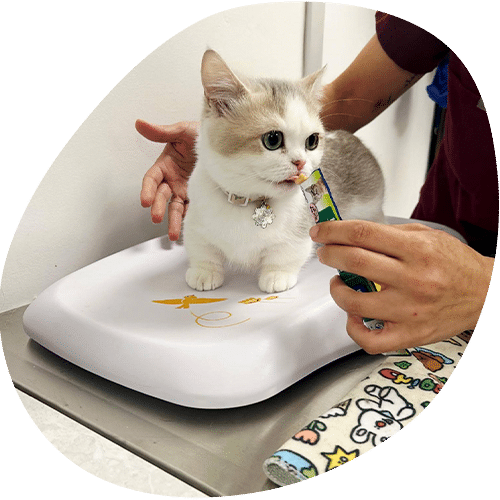

The Wellness Panel
For a healthy adult pet, he uses the blood panel to check kidney and liver function, protein and blood sugar levels, and the red and white blood cell counts, and he runs a heartworm test. For senior pets, we’ll often add more liver values and a thyroid check. For senior cats, who are more prone to thyroid disease and high blood pressure, he always includes those.
Dr. Lewis can also run a urine test to check what he can’t see in bloodwork alone. This test helps spot watery, dilute urine, one of the earliest signs of kidney disease. He can also catch crystals that may lead to bladder stones, or a bladder infection, which female pets get more often. With a fecal test, he checks for intestinal parasites, which your pet can carry without visible symptoms until the parasites are well established.
Not every pet needs every test at every visit. Dr. Lewis bases his recommendations for lab work on your pet’s age, history, your priorities as an owner, and what he finds during the exam that day.
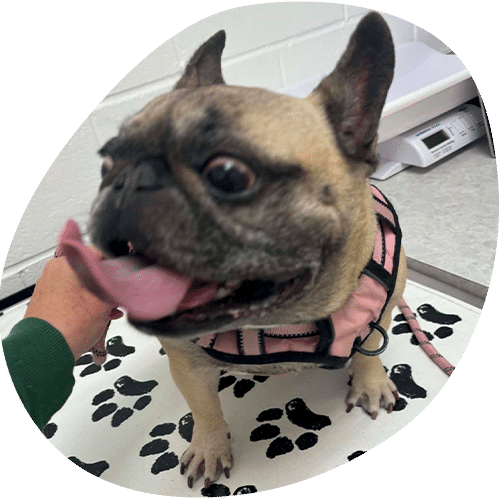
Titer Testing
How We Decide Which
Vaccines Your Pet Needs
We follow the vaccine guidelines published by the major veterinary universities, including UC Davis, and Dr. Lewis builds your pet's vaccine plan on that research at every visit. He gives an adult dog the distemper-parvo (DAP) vaccine once every three years, the interval the studies support. For senior pets, he'll talk with you about whether your pet still needs to continue certain vaccinations at all.
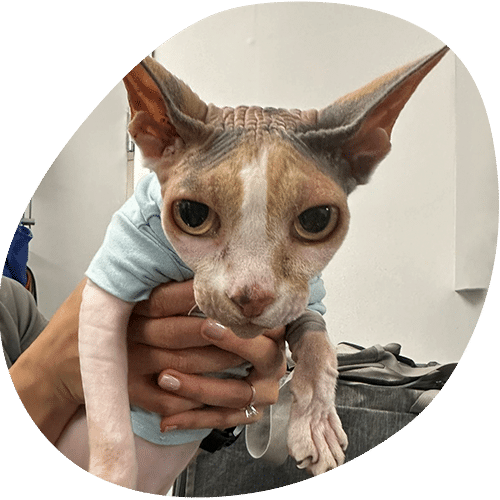
Pet X-rays are frequently recommended for dogs and cats that are limping, coughing, vomiting, showing signs of pain, or may have eaten something they should not have. They help us identify fractures, arthritis, intestinal blockages, heart enlargement, lung disease, and many other conditions.
What Does a
Wellness Exam Cost?

About Dr. Lewis &
Huntington Beach Pet Hospital
Dr. Lewis owns the hospital and sets its protocols himself. No corporate office hands him a vaccine schedule, and no one makes him add services to a treatment plan. You leave with the plan Dr. Lewis would choose for his own pets.